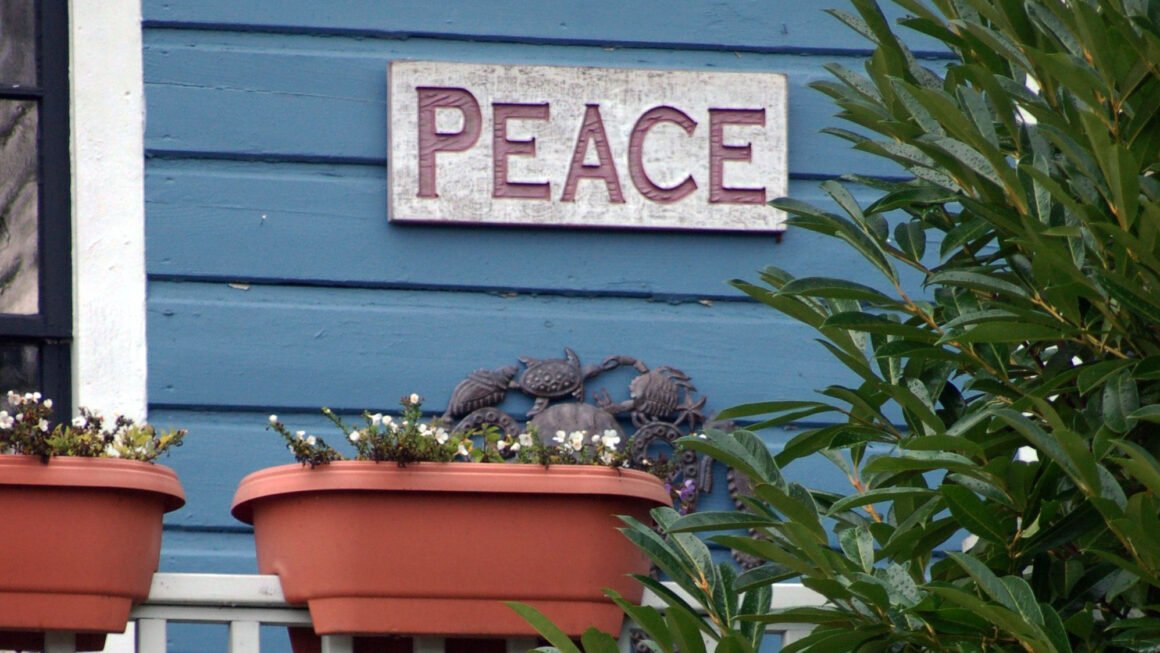


Protecting your peace can feel hard when life is full of noise, messages, tasks, and constant input. You may feel pulled in many directions before you even have time to check in with yourself. Peaceful living does not mean ignoring your responsibilities or avoiding the world. It means making small choices that help you stay connected to yourself while you move through it. You can protect your peace by setting simple boundaries, choosing where your attention goes, lowering unnecessary noise, and creating small pauses during the day. These practices do not have to be dramatic. They can be simple, steady choices that help you feel calmer, clearer, and less drained.
Recognizing What Disrupts Your Peace Most
The first step is noticing what disrupts your peace most often. It may be constant notifications, cluttered spaces, rushed mornings, too many commitments, tense conversations, or spending too much time online. You may also notice that certain times of day leave you feeling scattered or overstimulated. Pay attention to the patterns without judging yourself. Ask what makes your body tense, what drains your mood, and what leaves your mind feeling crowded. Once you know what affects you most, you can respond with clearer choices. You do not have to fix everything at once. Start with one area that creates the most stress and choose a small way to soften it.
Creating Boundaries Around Noise and Input
Noise and input can build up quickly, especially when you are surrounded by screens, alerts, background sound, and other people s needs. Creating boundaries around input helps you give your mind space to rest. You might turn off non-urgent notifications, lower background noise, take breaks from social media, or choose quiet time during one part of the day. If you live with others, you may need to explain that you need a few minutes of quiet to reset. Boundaries do not have to be harsh. They can be simple limits that help you feel less flooded. When you reduce unnecessary input, your peace becomes easier to protect.
Choosing What Deserves Your Attention
Your attention is valuable, and not everything deserves access to it. A noisy world can make every message, update, opinion, and problem feel urgent. Before giving something your focus, pause and ask if it truly needs your attention right now. Some things can wait. Some things are not yours to solve. Some things can be handled later with a clearer mind. This habit helps you stop reacting to every demand as if it has the same importance. You can still care about people and responsibilities while choosing your focus with intention. Protecting your peace often begins with deciding what you will not keep carrying in your mind all day.
Limiting Rushed Reactions During Stress
Stress can make you feel like you need to respond right away. You may answer too quickly, agree before thinking, or react from frustration. Limiting rushed reactions gives you space to choose a calmer response. When something stressful happens, try pausing before you speak, reply, or make a decision. Take a breath, step away if needed, or give yourself time to think. You can say that you need a moment or that you will respond later. This small pause can protect your peace by keeping you from adding regret, tension, or extra conflict to an already stressful moment. A slower response can help you feel steadier and more in control.
Making Space for Mental Recovery
Your mind needs recovery, especially when your days are full of decisions, noise, conversations, and tasks. Mental recovery can be simple. You might sit quietly for a few minutes, take a short walk, step outside, write down what is on your mind, or rest without your phone. These moments give your thoughts room to settle. You do not have to wait until you feel completely overwhelmed before you pause. Building small recovery moments into your day can help prevent stress from piling up. Mental recovery is not wasted time. It is a way of protecting your clarity, patience, and emotional balance before the day drains too much from you.
Protecting Calm During Busy Seasons
Busy seasons can make peace feel harder to reach, but they are also when you need it most. During a full season, your peaceful practices may need to become smaller and simpler. You may not have time for long breaks, but you can still create brief pauses. You might choose fewer commitments, prepare simple meals, lower your expectations at home, or give yourself quiet time before bed. Protecting calm during busy seasons means being honest about your capacity. You do not have to keep the same pace in every season of life. When your schedule is full, peace may look like doing less, asking for help, or making one part of the day feel easier.
Creating Small Daily Peace Anchors
Peace anchors are small habits that help you return to calm during the day. They do not need to take much time. You might drink your morning coffee without your phone, take 5 slow breaths before starting work, step outside after lunch, clear one surface in the evening, or sit quietly before bed. These anchors give your day a steadier rhythm. They also remind you that peace is not something you only find when life is quiet. It can be something you practice in small ways, even during busy times. Choose one or two anchors that feel realistic. Repeating them can help your body and mind feel supported.
Reclaiming Your Energy One Choice at a Time
Protecting your peace is really about reclaiming your energy one choice at a time. You may not be able to control every demand, sound, schedule change, or stressful moment. But you can choose small responses that support your well-being. You can pause before reacting, lower the noise, protect quiet time, choose fewer commitments, or step away from input that drains you. These choices may seem small, but they help you stop giving your energy away without thought. Peaceful living is built through repeated decisions that honor your limits and needs. Each choice gives you a little more room to breathe, think clearly, and move through the day with care.