

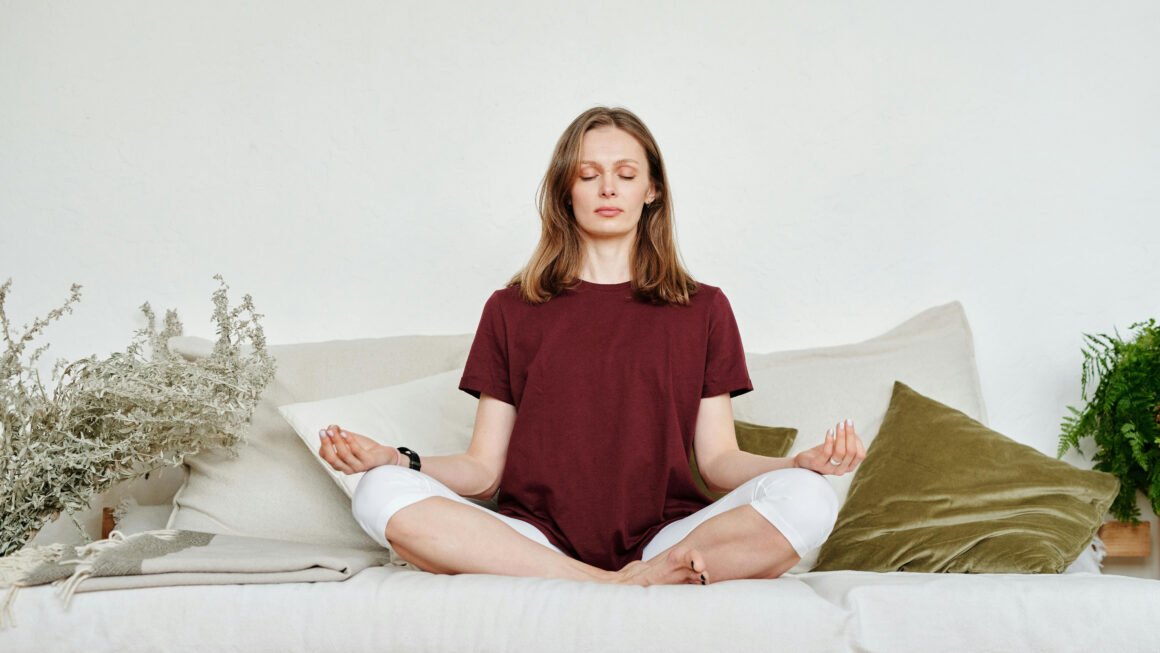
Doing nothing on purpose can feel uncomfortable at first, especially in a world that constantly pushes you to stay busy. Yet, intentional stillness is one of the most powerful forms of self-care. It allows your body and mind to slow down, reset, and reconnect with what truly matters. Taking time to simply be, without expectations or distractions, is not laziness; it is rest with awareness. When you learn to value quiet moments, you create balance and peace that extend into every part of your life.
Challenging the Culture of Constant Doing
Society often rewards constant productivity, making rest seem unimportant or even irresponsible. You might feel guilty when you are not checking things off a list, but nonstop doing leads to exhaustion. Choosing to pause challenges this mindset. It reminds you that rest and reflection are necessary parts of a healthy life. True self-care means allowing yourself to exist without constant output. You do not need to prove your worth through activity. Learning to disconnect from the pressure to always perform helps you regain control over your time and energy.
The Mental Health Benefits of True Stillness
Stillness helps calm your nervous system, reduce anxiety, and restore focus. When you allow your mind to slow down, you create space for clarity and emotional balance. Doing nothing gives your brain time to process thoughts naturally, improving problem-solving and creativity. It also helps lower stress hormones, which supports better sleep and overall health. You do not have to meditate formally to experience these benefits; even sitting quietly or resting your eyes for a few minutes can make a difference. Stillness allows your mind to reset in gentle, meaningful ways.
How to Schedule Unstructured Time
You can create time for stillness by intentionally leaving space in your schedule. Start by setting aside 10 to 15 minutes a day without a specific plan. Resist the urge to fill this time with your phone or tasks. Instead, allow yourself to rest, reflect, or simply sit quietly. Treat this time as important as any other appointment. Gradually increase it as it becomes more natural. Scheduling unstructured time reminds you that your worth is not tied to constant activity. Over time, these small moments help you feel calmer and more balanced.
Mindful Ways to Sit With Quiet
Here are a few ways to practice doing nothing mindfully:
* Sit comfortably and focus on your breathing
* Notice the sounds and sensations around you without judgment
* Watch your thoughts pass without trying to change them
* Gaze out a window and observe what you see
* Allow your body to relax completely without needing to move
* Close your eyes and simply feel present in the moment
These small, intentional pauses help you reconnect with calm and ease throughout your day.
Letting Go of the Need to Be Useful
Many people tie their sense of value to how much they accomplish. Letting go of that belief allows you to rest without guilt. Doing nothing can feel uncomfortable at first because it challenges the idea that your worth depends on productivity. Remind yourself that rest has value on its own. You are not wasting time; you are caring for your mental and emotional health. Learning to rest without justification builds confidence in simply being, not constantly doing. This shift brings more peace and self-acceptance into your daily life.
Finding Joy in Simple Presence
Joy often hides in the simplest moments, and you can only experience it when you slow down enough to notice. Sitting quietly, watching the light change, or listening to gentle sounds around you can bring a deep sense of calm. When you stop rushing, you reconnect with the world in a more peaceful way. Doing nothing gives you the opportunity to appreciate life as it is right now. Presence brings joy that does not depend on achievement, but on being aware and content in the moment.
How Doing Nothing Inspires Clarity
When your mind is constantly busy, it is hard to hear your own thoughts. Stillness helps you access clarity that gets lost in noise and distraction. By stepping away from activity, your mind naturally organizes ideas and emotions. You may find new insights or solutions simply by resting. Clarity does not require effort; it comes from quiet attention. When you give yourself permission to do nothing, you create the space for awareness to grow and decisions to become easier. Stillness makes room for understanding to surface naturally.
Turning Stillness Into a Daily Habit
To make stillness part of your life, start small and keep it simple. Choose a consistent time each day to pause, even for just a few minutes. It might be before you start work, during a break, or before bed. Turn off distractions and focus on breathing or gentle awareness. Over time, your body and mind will begin to crave these moments of calm. Stillness becomes easier with practice, eventually turning into a habit that restores your balance daily and keeps you connected to peace and clarity.