

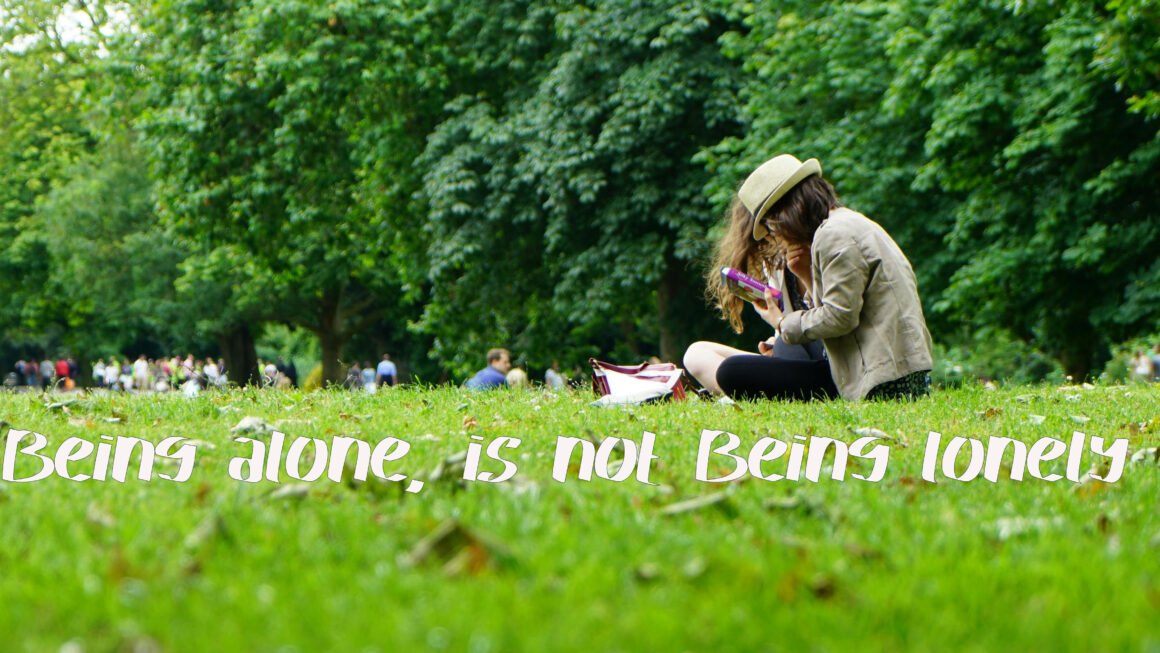
Alone time is often misunderstood as something negative, but solitude can be one of the most nourishing forms of self-care. It gives you the space to slow down, listen to yourself, and recharge without outside noise. Spending time alone is not about isolation, it is about restoration. When you learn to enjoy solitude, you strengthen your emotional balance and deepen your self-awareness. It becomes easier to understand your thoughts, values, and goals. Making time for yourself regularly can help you feel more grounded, calm, and connected to who you are.
Redefining Solitude as Connection With Self
Solitude is not the absence of connection, it is a deeper form of it. It allows you to step away from distractions and reconnect with your own mind and emotions. When you spend time alone intentionally, you give yourself space to reflect, reset, and nurture your inner world. This self-connection helps you make clearer decisions and feel more comfortable in your own company. Solitude becomes less about being apart from others and more about creating quality time with yourself. It is where growth, creativity, and self-understanding can truly flourish.
How Solitude Strengthens Mental Clarity
Quiet time helps your mind process thoughts without constant input or noise. When you remove distractions, your brain has room to organize, reflect, and focus. Solitude gives you the clarity to see situations more objectively and to make decisions based on your true needs rather than outside influence. It also helps reduce mental fatigue by allowing your thoughts to settle. The more you practice spending time alone, the easier it becomes to listen to your intuition. Mental clarity often comes not from doing more, but from giving your mind a chance to rest.

Overcoming the Fear of Being Alone
Many people avoid solitude because they associate it with loneliness or discomfort. If you are used to constant interaction, quiet moments can feel unfamiliar at first. Start small by spending short periods of time alone without distractions like your phone or television. Learn to observe your thoughts without judgment. Over time, you will notice that being alone does not have to feel empty or isolating. Instead, it can feel peaceful and empowering. Facing the fear of being alone helps you build emotional independence and discover how much strength exists within you.
Mindful Practices to Enjoy Your Own Company
Here are a few simple ways to embrace solitude mindfully:
* Take a quiet walk without headphones
* Write in a journal or reflect on your thoughts
* Practice deep breathing or meditation
* Cook a meal just for yourself and enjoy it slowly
* Read or listen to calming music
* Spend time in nature or sit outdoors
* Create something artistic or expressive
* Enjoy a quiet morning or evening routine
These small moments of presence help you feel grounded, content, and comfortable in your own company.
Using Solitude to Recharge Emotionally
Spending time alone helps you process emotions and release stress. Without external distractions, you can reflect on what you are feeling and why. Emotional recharging happens when you give yourself permission to rest and feel without judgment. Solitude also helps you noticeemotional patterns that might otherwise go overlooked in busy environments. When you allow yourself quiet time, your nervous system resets and your mood stabilizes. This practice supports emotional balance and strengthens your ability to respond thoughtfully rather than react impulsively.
Differentiating Loneliness From Solitude
Loneliness and solitude are not the same thing. Loneliness often comes from disconnection, while solitude is a choice that promotes peace and self-awareness. Loneliness can feel heavy and isolating, but solitude feels calm and restorative. The difference lies in intention. When you choose to spend time alone with a sense of purpose, you create space for self-reflection and growth. Learning to enjoy solitude helps you feel whole on your own, which in turn improves your connections with others. Being comfortable by yourself builds emotional strength and inner stability.
Scheduling Solo Time Without Guilt
You do not need permission to prioritize time alone. Schedule it just as you would any other important commitment. It could be a few minutes each morning, an afternoon break, or a quiet evening at home. Treat this time as essential to your well-being, not as something indulgent or selfish. Let go of guilt by remembering that solitude helps you show up better for others. When you care for yourself first, you have more energy, patience, and compassion to give. Protecting your alone time is a healthy act of self-respect.
Building Confidence Through Independence
Spending time alone builds confidence by showing you that you can rely on yourself. When you handle tasks, make decisions, and find joy independently, your sense of self-trust grows. You begin to see that your happiness is not dependent on constant interaction or approval. Independence also helps you understand your strengths and preferences more clearly. The more comfortable you become in solitude, the stronger your self-assurance becomes. Confidence rooted in independence allows you to move through life with calm, clarity, and inner peace.