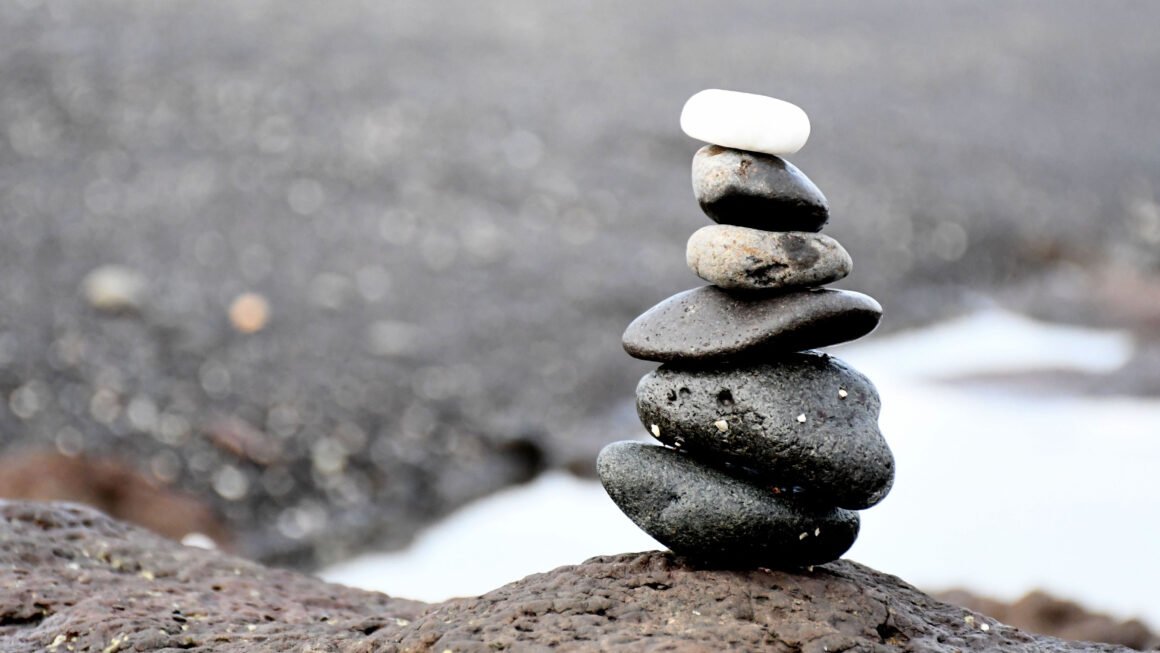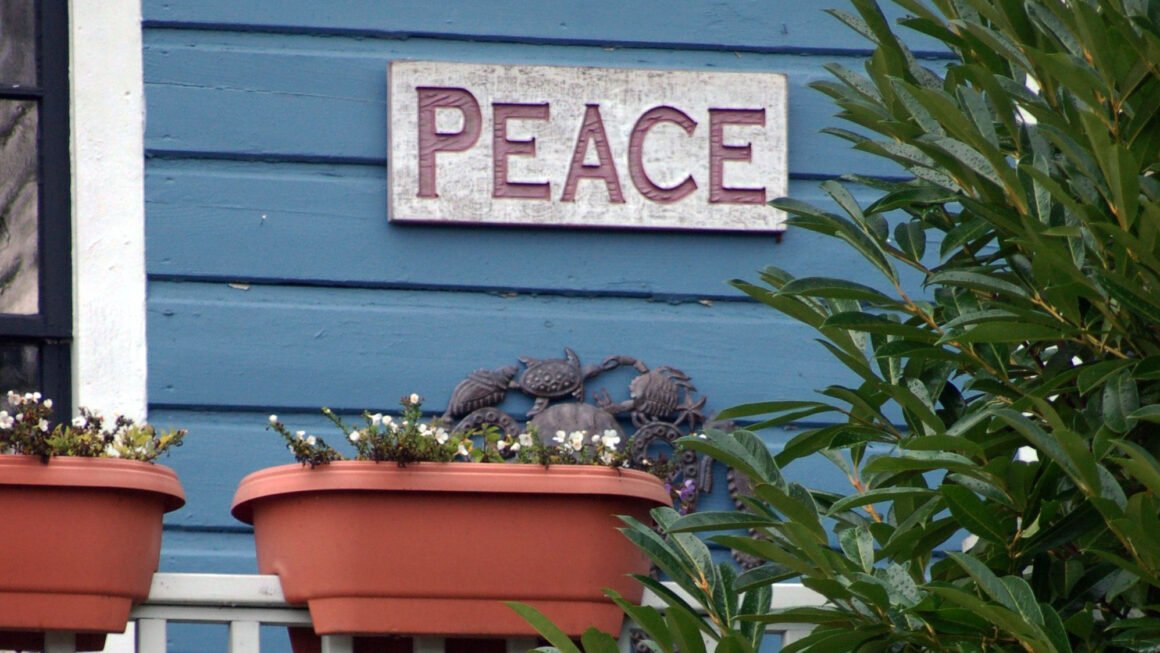


Peaceful living does not begin only when life becomes quiet, simple, or completely stress-free. It begins in the small decisions you make throughout an ordinary day. You choose how quickly you move, what you give your attention to, how much you allow into your schedule, and how you respond when stress appears. These choices may seem small in the moment, but they can shape how calm or crowded your life feels. A peaceful life is built through steady, repeatable actions that help you feel less rushed and more connected to yourself. You do not need to change everything at once. You can begin with one thoughtful choice today.
Seeing Peace as a Series of Small Choices
Peace can feel easier to create when you see it as a series of small choices, not one big life change. You might choose to pause before checking your phone, drink your coffee without rushing, clear one surface, or take a breath before answering a stressful message. These choices may not seem dramatic, but they help set the tone for your day. Peaceful living is not about controlling every situation. It is about choosing small moments of calm where you can. When you repeat these choices, they begin to shape your habits, your home, and your mindset. Peace becomes something you practice in real life.
Choosing Less Rush in Daily Moments
Choosing less rush can change the way your day feels. You may not always be able to slow down your schedule, but you can often slow down how you move through it.Try walking through your home without hurrying, eating one meal without multitasking, or leaving a few extra minutes before you need to leave. You can also pause between tasks instead of jumping straight into the next one.These small choices tell your body that not every moment is an emergency. Less rush does not mean you are doing less. It means you are moving through your responsibilities with a steadier pace and less pressure.
Making Decisions That Reduce Future Stress
Some peaceful choices help your future self feel less stressed. You might prepare a simple breakfast, set out clothes, write down tomorrow s top task, or clear the kitchen counter before bed. These decisions do not have to take much time. They simply reduce friction later. Think about the moments that often feel stressful, then ask what small choice could make them easier. If mornings feel chaotic, prepare one thing the night before. If meals feel hard, keep simple options ready. If your mind feels full, write things down. Peaceful living grows when you make small decisions that remove avoidable pressure from your day.
Protecting Your Attention From Constant Input
Your attention affects your peace. When you take in constant input from messages, news, social media, noise, and other people s needs, your mind can feel crowded. Protecting your attention starts with small limits. You might check your phone at fewer times, turn off non-urgent notifications, eat without a screen, or choose quiet during one part of the day. These choices help your mind rest from constant stimulation. You do not have to disconnect completely to feel better. You can simply decide what deserves access to your attention and when. A calmer mind often begins with fewer things competing for space inside it.
Creating Small Boundaries Before Resentment Builds
Small boundaries can protect your peace before resentment has a chance to grow. You might pause before saying yes, ask for more time before answering, stop checking messages late at night, or let someone know what you can realistically offer. Boundaries do not have to be harsh to be effective. They can be clear, simple, and respectful. When you ignore your limits for too long, stress and frustration can build. A small boundary gives you a way to honor your needs earlier. This helps you care for others without losing yourself. Peaceful living becomes easier when your time, energy, and attention have thoughtful limits.
Choosing Calm Responses When Possible
You cannot control every stressful moment, but you can practice choosing calmer responses when possible. This does not mean you never feel upset. It means you give yourself a small pause before reacting. You might take a breath, step away for a minute, lower your voice, or wait before replying to a message. A calmer response can help prevent stress from growing larger than it needs to. It can also help you feel more grounded in your choices. Some situations will still feel difficult, and that is normal. The goal is not perfection. The goal is to create a little space so you can respond with more care.
Letting Simple Habits Shape Your Home and Mind
Simple habits can shape both your home and your mind. Clearing one surface, opening a window, lowering background noise, or creating a quiet evening habit can make your space feel easier to be in. Small mental habits matter too. You might write down your thoughts, choose one priority, pause before reacting, or remind yourself that not everything needs to be solved today. These habits create a calmer daily rhythm. They also help reduce the feeling that life is pulling you in too many directions. You do not need a perfect home or perfect mindset. You need small supports that help you feel steady.
Building a Peaceful Life Through Repeatable Choices
A peaceful life is built through repeatable choices that fit your real days. You may not be able to remove every stressor, but you can keep choosing small forms of calm, clarity, and care. You can choose fewer commitments, softer routines, quieter breaks, clearer boundaries, and slower transitions. Some days will feel smooth, while others will feel full or messy. Your peaceful choices can adjust with you. What matters is that you keep returning to what supports your well-being. Over time, these small decisions can create a lifestyle that feels less rushed, less crowded, and more aligned with the way you want to feel.