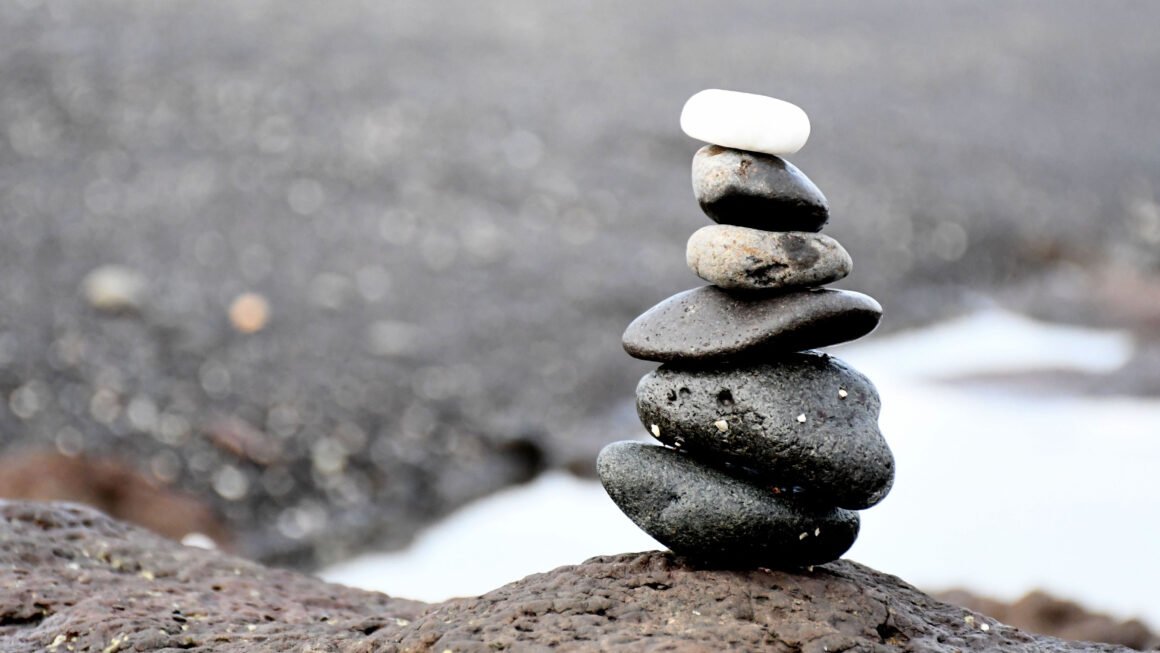


Peaceful alone time can help you rest, reflect, and return to yourself when life feels noisy or demanding. You do not need a full day alone or a perfect quiet space for solitude to help. Even a small pocket of time can give your mind and body a break from conversation, screens, tasks, and other people’s needs. Alone time is not about shutting everyone out. It is about creating room to hear yourself, settle your emotions, and care for your energy. When you make solitude simple and realistic, it becomes easier to include in your everyday life. A few peaceful minutes can help you feel calmer, clearer, and better connected to your own needs.
Choose a Small Pocket of Time
Peaceful alone time does not have to take hours. Start with a small pocket of time that already fits into your day. This might be 5 minutes before others wake up, a quiet break after lunch, a few moments in your car, or time before bed. When alone time feels small, it is easier to protect and easier to repeat. You do not need to wait for a perfect schedule or a long stretch of silence. Choose one moment when you can pause without adding pressure. A small amount of solitude can still help you breathe, think, and reset. What matters is that the time feels intentional and belongs to you.
Protect Solitude Without Guilt
You are allowed to need time alone without feeling guilty. Solitude can help you recharge, process your thoughts, and care for your emotions. Needing space does not mean you dislike the people in your life or want to avoid your responsibilities. It means your energy needs care too. If guilt comes up, remind yourself that alone time can help you return to others with steadier energy. You can protect solitude with simple words, such as, “I need a few quiet minutes,” or “I am going to take some time to myself.” You do not have to explain every detail. Your need for space is valid, even when others do not fully understand it.
Make Your Space Feel Easy to Be In
Your alone time may feel better when your space feels easy to be in. This does not mean the room has to be spotless or perfectly calm. Start with one small area. Clear a chair, straighten your blanket, move clutter out of sight, lower a harsh light, or keep water nearby. Choose a spot where you can sit without feeling pulled into every task around you. If your home is busy, your space might be a bedroom corner, bathroom, porch, parked car, or even one side of the couch. A simple space can help your body relax and your mind settle. The goal is comfort and ease, not perfection.
Lower Noise and Distractions
Noise and distractions can make alone time feel less peaceful. Before you settle in, reduce one source of input. Turn off the television, silence non-urgent alerts, close extra tabs, or step away from a noisy room. If total quiet is not possible, choose the calmest option available. You might use soft background sound, close a door, or sit somewhere with fewer interruptions. Lowering distractions helps your mind stop taking in so much at once. It also gives you room to notice how you feel. Alone time works best when it gives you a break from constant response mode. Even a small reduction in noise can make the moment feel softer.
Use Alone Time to Rest or Reflect or Reset – depending on what you need
Alone time can be used in different ways depending on what you need. Some days, you may need rest. You might sit quietly, close your eyes, drink tea, read a few pages, or do nothing for a few minutes. Other days, you may need reflection. You might ask yourself how you feel, write one honest sentence, or think about what has been weighing on you. There is no one right way to spend peaceful solitude. Try not to turn it into another task to complete. Let the time meet your real need. If your body is tired, rest. If your mind feels full, reflect. If both are true, keep it simple.
Let Your Phone Wait for a While
Your phone can quickly turn alone time into another source of input. Messages, apps, videos, and notifications may pull your attention away from yourself before you have a chance to settle. Try letting your phone wait for a while. You can place it across the room, turn it face down, silence alerts, or choose a short phone-free pause. You do not have to stay away from it all day. Even 10 quiet minutes can help. Without your phone, you may notice your thoughts, body, and emotions with greater ease. You may also feel less rushed to respond to everyone else. Alone time becomes calmer when your attention is not constantly being redirected.
Balance Solitude With Supportive Connection
Alone time is helpful, but it does not have to replace connection. You can need solitude and still value people. The key is finding a balance that supports your energy. After time alone, you may feel ready to send a message, talk to someone safe, or spend time with people who feel calming. Other times, you may need a longer pause before reconnecting. Pay attention to what feels healthy for you. If solitude starts to feel lonely, reach for gentle support. If connection starts to feel draining, create space. Quiet self-care can include both rest by yourself and relationships that respect your need for breathing room.
Keep Alone Time Simple and Flexible
Peaceful alone time works best when it feels simple enough to return to. You do not need a strict routine, a special setup, or a long block of free time. Some days, alone time may be 3 quiet minutes in the morning. Other days, it may be a slow evening, a walk by yourself, or a screen-free break. Let your solitude shift with your schedule, energy, and emotions. If your plan changes, choose the smallest version that still supports you. Keeping alone time flexible helps it feel like care instead of pressure. You can return to it whenever you need a little space to rest, reflect, and feel like yourself again.